
Introduction
Nostalgia has always had a significant impact on entertainment, but in 2026, this trend is more potent than ever. As audiences crave familiar comforts amidst the uncertainties of modern life, entertainment mediums are pulling from the past to resonate with viewers. From television shows to movies and video games, the influence of nostalgia is invigorating the industry. In this article, we’ll explore how nostalgia is shaping today’s entertainment landscape, the driving forces behind this phenomenon, and what it means for creators and consumers alike.
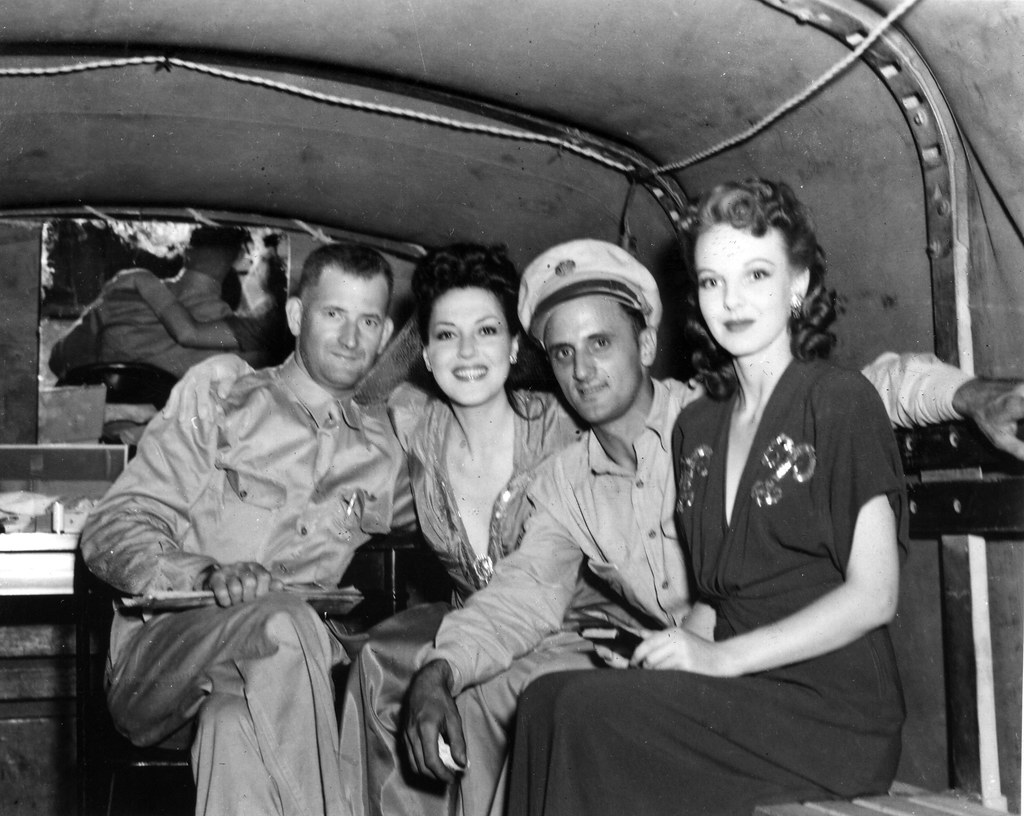
The Resurgence of Classic Themes and Styles
As a society, we tend to gravitate towards what we know and love. This has led to the revival of classic themes and styles within various forms of entertainment:
- Television Series: Reboots and remixes of beloved shows from the 80s, 90s, and early 2000s have captured audiences’ hearts. Series like “Friends Forever” and “The Fresh Prince Reimagined” are not just remakes; they are adaptations that embrace modern sensibilities while paying homage to the originals.
- Film: Film studios are also tapping into nostalgia, with sequels and remakes of iconic films. Movies like “Jurassic World: The Lost Era” and “The Matrix: Awakening” showcase beloved characters and storylines, but they present them in a manner that speaks to current societal issues.
- Video Games: The gaming industry has not been left behind. Classic franchises are making comebacks with updated graphics and gameplay. Games like “Super Mario Odyssey: Adventures in Time” and “Final Fantasy VII: Remixed” are bringing nostalgic experiences to both new and long-time gamers.
Nostalgia Marketing: A Strong Tool for Engagement
Marketing strategies have evolved in 2026, and nostalgia marketing has become a cornerstone of successful campaigns:
- Emotional Connection: Brands are harnessing the power of nostalgia to create emotional connections with their audiences. By tapping into familiar imagery and themes, they help consumers relive cherished memories.
- Targeted Content: Social media platforms are filled with targeted content that plays on nostalgia. Whether through throwback ads or retro-themed brand collaborations, companies are successfully engaging consumers by evoking fond memories.
- Interactive Campaigns: Many brands are creating interactive campaigns that incorporate nostalgia. For instance, campaigns that encourage audiences to share their favorite childhood moments or nostalgic playlists have proven effective in boosting engagement.
The Role of Social Media in Nostalgia’s Rise
Today, social media acts as a catalyst for the nostalgia trend: Also read: wak89 for more insights.
- Memes and Trends: Platforms like TikTok and Instagram are full of nostalgia-driven content, from themed challenges to memes that reference popular culture from past decades. Content creators are increasingly using these platforms to celebrate and revive past experiences.
- Community Building: Social media has enabled communities to form around shared nostalgic interests. Fans of vintage TV shows or classic films come together to share thoughts, reviews, and fan art, creating a sense of belonging.
- Influencer Contributions: Influencers are also embracing nostalgia, creating content that taps into shared memories while presenting them through a modern lens. This helps to bridge the gap between generations.
The Impact on Audience Expectations
As nostalgia grows in popularity, audience expectations are changing:
- Demand for Quality: Audiences are expecting high-quality production in nostalgic content. They want not just a trip down memory lane, but also a thoughtfully crafted experience.
- Inclusivity: Modern adaptations of nostalgic content are increasingly inclusive, reflecting diverse voices and experiences that were often overlooked in the original works.
- Innovative Storytelling: Audiences are also looking for innovative storytelling techniques that incorporate nostalgia in fresh ways. They want to see old stories told from new perspectives.
Challenges of Nostalgia in Entertainment
Despite the benefits of leveraging nostalgia, creators face several challenges:
- Authenticity: Balancing nostalgia with authenticity can be tricky. If creators lean too heavily on familiar themes without innovation, they run the risk of coming off as unoriginal.
- Audience Saturation: As nostalgia becomes a trend, there’s a possibility of oversaturation, which may lead audiences to become fatigued with repeated themes.
- Balancing Old and New: Creators must find the right balance between honoring the past and incorporating modern elements to keep their content relevant and engaging.
Conclusion
Nostalgia is undeniably shaping the entertainment industry in 2026, breathing new life into old favorites and creating a bridge between generations. By harnessing its emotional power, creators are meeting the evolving expectations of audiences while offering comfort and familiarity in a rapidly changing world. As nostalgia remains a guiding force, the challenge will be to innovate while honoring the past, ensuring that entertainment continues to resonate deeply with people across all walks of life.