
Introduction
In 2026, the landscape of entertainment is undergoing a remarkable transformation, driven by advancements in technology and a desire for immersive experiences. Gone are the days of passive consumption; audiences now crave participation and engagement. This article explores the exciting innovations that are reshaping how we experience entertainment and the implications for creators and audiences alike.
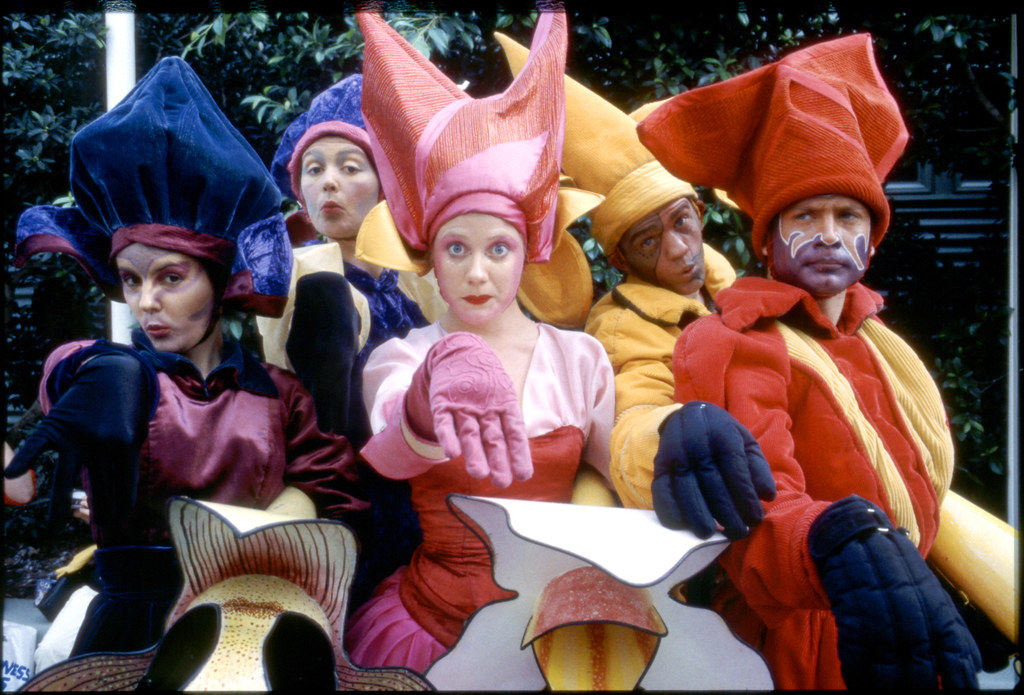
The Rise of Immersive Theatres
Immersive theatre has gained widespread popularity in recent years, providing audiences with an opportunity to step into the story. In 2026, this trend has reached new heights, with productions designed to fully engage the senses.
- Multi-Sensory Experiences: Modern immersive theatres now incorporate scents, tactile elements, and interactive set designs that allow viewers to touch and feel the environment.
- Customized Storylines: Many productions offer multiple narrative paths, allowing attendees to choose their adventure, making each visit unique.
- Technology Integration: Incorporating augmented reality (AR) and virtual reality (VR) elements enhances the storytelling, providing a fully immersive experience.
The Explosion of AR and VR in Entertainment
Augmented and virtual reality technologies are no longer confined to the gaming industry. By 2026, these tools are being used to create experiences across various entertainment mediums.
- VR Concerts: Musicians and bands are hosting virtual concerts, allowing fans from around the world to participate in real-time, experiencing the thrill of live music without geographical barriers.
- AR in Film: Films are being enhanced with AR experiences that viewers can access via their smartphones, offering additional context, behind-the-scenes looks, and interactive elements during screenings.
- Immersive Museums: Art installations and museum exhibits now utilize AR and VR to create engaging educational experiences that allow audiences to interact with the art in new and exciting ways.
Esports and the Rise of Competitive Gaming
Esports has exploded in popularity over the past few years, and by 2026, it is becoming a primary form of entertainment for millions. Also read: gan89 for more insights.
- Increased Mainstream Acceptance: Esports is being recognized as a legitimate athletic competition, with endorsements from traditional sports leagues and significant investments from major corporations.
- Enhanced Viewing Experiences: Streaming platforms are adapting to provide multi-camera views, augmented stats, and real-time commentary, creating a richer viewing experience for fans.
- Physical Venues: Large-scale esports arenas are being built, accommodating thousands of fans for live events, merging the excitement of traditional sports with the digital age.
Sustainability in Entertainment: A Growing Trend
The entertainment industry is increasingly acknowledging its environmental impact. In 2026, sustainability is not just a trend; it’s becoming a core principle for many creators.
- Eco-Friendly Productions: Film and theatre productions are adopting sustainable practices, from using renewable energy sources to reducing waste and promoting recycling initiatives.
- Green Events: Music festivals and large events are working towards carbon neutrality, implementing measures such as digital ticketing, eco-friendly materials, and sustainable food options.
- Awareness Campaigns: Many entertainers use their platforms to raise awareness about climate change, advocating for responsible consumption and environmental stewardship.
The Evolution of Content Creation: Crowdsourcing and Collaboration
In 2026, the traditional model of content creation is being disrupted. More creators are embracing crowdsourcing and collaborative methods to produce entertainment.
- Fan Involvement: Many projects are inviting fans to contribute ideas and feedback, fostering a sense of community and ownership among audiences.
- Collaborative Platforms: New online platforms are emerging that facilitate collaboration among writers, filmmakers, and musicians, enabling diverse voices to create unique narratives.
- Decentralized Funding: Crowdfunding campaigns are empowering independent creators, allowing them to bypass traditional studio systems and connect directly with their audience for financial support.
The Future of Television: Interactive Content
Television is evolving beyond passive viewing experiences. By 2026, interactive content is reshaping how viewers engage with their favorite shows.
- Choose-Your-Own-Adventure: Many series now allow viewers to make choices that affect the storyline, offering a personalized viewing experience.
- Social Viewing: Platforms are integrating social features that let viewers chat and interact with friends while watching shows, creating a shared experience even when physically apart.
- Enhanced Storytelling: Incorporating elements such as quizzes and polls during episodes keeps audiences actively engaged and invested in the outcome.
Conclusion
The entertainment industry in 2026 is marked by innovation, immersion, and interaction. As technology continues to advance, the boundaries of what we consider entertainment are expanding. Creators are finding new ways to engage audiences, and consumers are becoming more involved than ever in the entertainment they consume. As we look to the future, the emphasis on immersive experiences, sustainability, and collaboration will undoubtedly define the next era of entertainment.