
Introduction
As we venture deeper into 2026, the entertainment landscape is undergoing significant transformations, notably through the rise of collaborative content creation. This innovative approach allows fans, creators, and even brands to participate in the storytelling process, reshaping traditional narratives into dynamic, community-driven experiences. In this article, we will explore how collaborative content creation is redefining entertainment in 2026, the tools empowering this shift, and the implications for audiences and creators alike.
The Shift Towards Collaboration
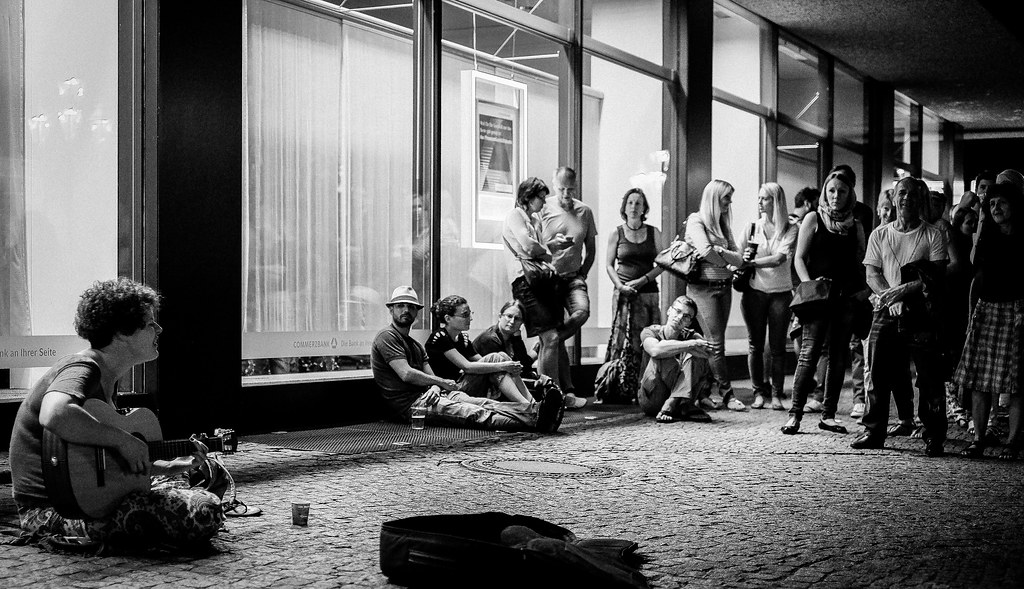
The entertainment industry has always been a melting pot of creativity, but the past few years have seen a notable shift towards collaboration. Rather than being passive consumers, audiences are now becoming active participants in the creation of content, leading to a more engaged and invested community. This trend can be traced back to various factors:
- Technological Advancements: With the rise of social media platforms, streaming services, and user-friendly creative tools, contributing to content creation has never been easier.
- Community Engagement: Fans are increasingly seeking ways to connect with their favorite shows, movies, and artists, pushing for a participatory culture.
- Monetization Opportunities: Creators and brands are recognizing the financial benefits of engaging communities in the production process, creating new revenue streams.
Tools Empowering Collaborative Content Creation
Several tools and platforms have emerged to facilitate collaborative content creation, making it accessible to everyone. Here are some of the key players:
- Interactive Storytelling Platforms: Websites and apps that allow users to create and share their own stories, games, or video content are becoming popular. Examples include platforms like Wattpad for writing and Roblox for game design.
- Social Media: Platforms like TikTok and Instagram provide users with creative tools to collaborate on projects, whether through challenges, duets, or remixes.
- Crowdsourcing Websites: Many films and shows are now using crowdfunding platforms to raise money, involving fans in the development and production processes.
Case Studies of Collaborative Success
1. Fan-Driven Films
This year, several independent films have emerged that were entirely driven by fan contributions. For instance, The Chronicles of Create, a fantasy film, allowed fans to submit character designs, plot points, and even dialogue. The final product was a rich tapestry of community input, resulting in a film that resonated deeply with its audience.
2. Music Collaborations
In the music industry, artists are increasingly collaborating with their fans. Platforms like Patreon allow fans to contribute not only financially but also creatively. In 2026, the album Voices of Tomorrow featured tracks co-written by fans, showcasing a blend of professional artistry and grassroots creativity.
The Impact on Audience Engagement
The rise of collaborative content creation has profound implications for audience engagement:
- Stronger Connections: When audiences participate in content creation, their connection to the project deepens. This emotional investment can lead to more dedicated fanbases.
- Diverse Perspectives: Collaborative efforts often bring diverse voices to the forefront, enriching narratives and creating a more inclusive entertainment landscape.
- Increased Shareability: Content created through collaboration often encourages sharing within communities, amplifying reach and visibility.
Challenges and Considerations
Despite its potential, collaborative content creation also faces challenges:
- Quality Control: Ensuring the quality of input from fans can be difficult, leading to inconsistencies in the final product.
- Intellectual Property Concerns: Navigating ownership rights can be complicated when multiple contributors are involved.
- Exclusivity vs. Inclusivity: Balancing participation so that all voices are heard can be challenging, especially in large communities.
The Future of Collaborative Content Creation
Looking ahead, collaborative content creation is likely to grow, integrating even more with advancements in technology. Virtual reality and augmented reality are poised to take fan engagement to new heights, potentially allowing audiences to step inside their favorite stories and interact in real-time.
Moreover, as brands and creators recognize the power of collaboration, we may see more partnerships that leverage community input to create products and experiences that resonate on a deeper level.
Conclusion
In 2026, the entertainment landscape is being reshaped by the collaborative spirit of its audiences. As we continue to embrace this trend, the boundaries of storytelling will expand, inviting everyone to contribute their unique perspectives and creativity. This evolution not only enriches the entertainment we consume but also fosters a sense of belonging and community in an increasingly digital world.