
Introduction
As we navigate through 2026, the entertainment industry is experiencing an unprecedented transformation fueled by rapid advancements in technology. These innovations are not only reshaping how we consume content but also how it is created and delivered. In this article, we will explore key technological trends impacting entertainment, highlighting their potential to redefine the landscape.
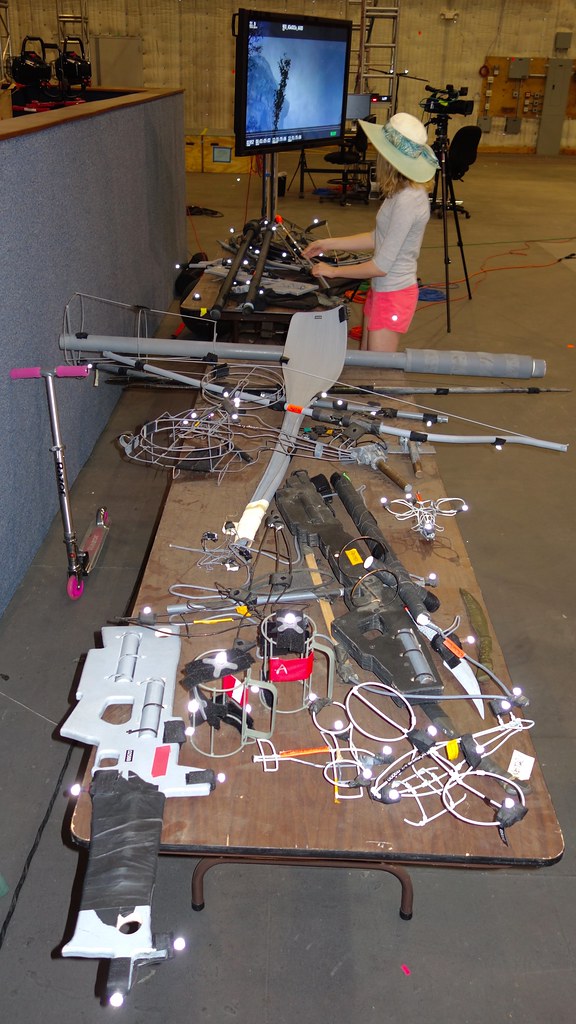
The Rise of AI in Content Creation
Artificial intelligence (AI) has made significant strides in various sectors, and entertainment is no exception. From scriptwriting to video editing, AI tools are streamlining the creative process.
AI-Driven Scriptwriting
Scriptwriters are now leveraging AI algorithms to generate ideas, structure plots, and even write dialogue. This not only accelerates the writing process but also helps in tailoring content to specific audience preferences.
Automated Video Editing
AI-powered editing software can analyze footage and automatically create polished videos, enabling creators to focus more on storytelling rather than technicalities. This technology is especially beneficial for independent filmmakers with limited resources.
Virtual Reality: A New Frontier
Virtual reality (VR) has moved beyond gaming into mainstream entertainment, offering immersive experiences that captivate audiences.
VR Cinematic Experiences
Films are exploring VR formats, allowing viewers to step inside the story. Imagine watching a thriller where you can look around the environment as the plot unfolds around you, making each viewing unique.
Interactive Theater
Theaters are embracing VR technology to create interactive performances where audiences can influence the direction of the story. This creates a personalized experience that traditional theater cannot offer.
Augmented Reality Enhancing Live Events
Augmented reality (AR) is transforming live events, from concerts to sports, by layering digital elements onto the physical world.
AR Concert Experiences
Musicians are using AR to enhance their performances with spectacular visual effects that engage the audience. Concertgoers can experience interactive features through their smartphones, adding a new dimension to live music.
Sports and AR Integration
In sports, AR apps provide fans with real-time statistics and player information overlaid on their view of the game, enriching the spectator experience and deepening their connection to the event.
Streaming Platforms: The Content Wars
The competition among streaming platforms has intensified, leading to an explosion of content and options for consumers.
Customizable Viewing Experience
Many platforms now offer personalized recommendations and adaptive streaming quality, ensuring viewers receive an optimal experience tailored to their preferences and internet speed.
Exclusive Releases and Original Content
Streaming services are heavily investing in original content to attract and retain subscribers. This trend has led to a surge in high-quality series and films, offering audiences unique stories that can’t be found elsewhere.
Blockchain and NFTs in Entertainment
The integration of blockchain technology and non-fungible tokens (NFTs) is revolutionizing the way artists and content creators monetize their work.
Ownership and Royalties
Blockchain provides a transparent way to track ownership and royalties for digital content, ensuring creators receive fair compensation for their work. This can empower independent artists and support sustainable creative ecosystems.
NFTs as Collectibles
With the rise of NFTs, fans can purchase unique digital assets tied to their favorite movies, music, or art. This not only offers a new revenue stream for artists but also engages fans in ways that traditional collectibles cannot.
Conclusion
2026 is a pivotal year for the entertainment industry as it embraces advanced technologies that enhance creativity and consumer engagement. From AI-driven content creation to immersive VR and AR experiences, the landscape is rich with opportunities for innovation. As these trends continue to evolve, we can expect an ever-changing dialogue between technology and entertainment, shaping the future of how we experience culture and storytelling.