
The Power of Social Media in Shaping Entertainment
As we navigate through 2026, one thing is clear: social media plays an enormous role in defining what we watch, listen to, and engage with in the entertainment sphere. From viral dance challenges to trending memes, platforms like TikTok, Instagram, and Twitter have emerged as the new epicenters for entertainment trends.
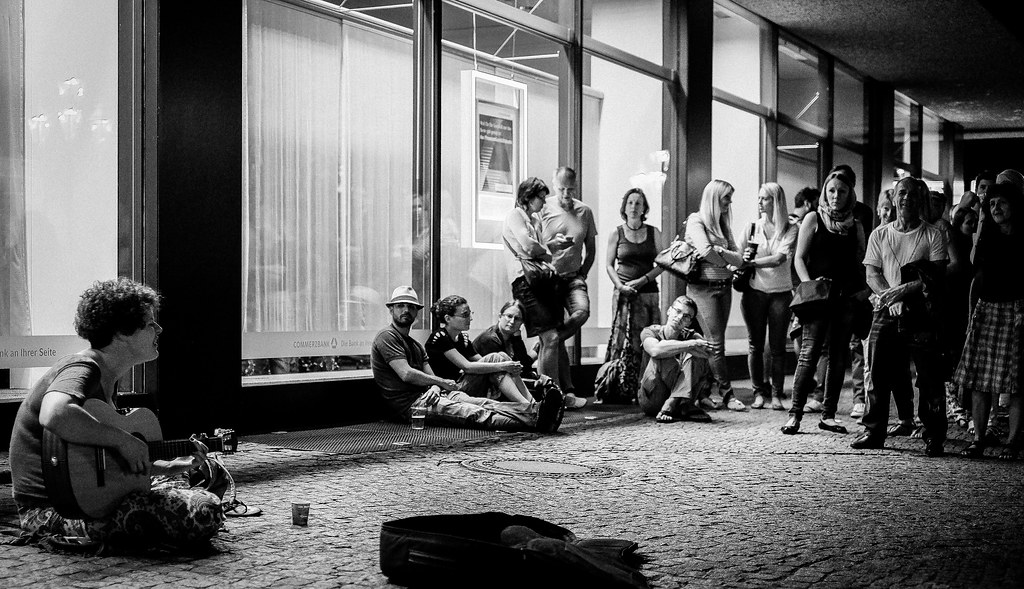
Social Media as a Launchpad for New Talent
In today’s digital age, aspiring artists and entertainers are using social media as a launchpad for their careers. Platforms that allow users to create and share short videos provide a space where talents can be discovered overnight. For instance, several now-famous musicians, actors, and influencers began their journeys by posting engaging content on TikTok.
- Viral Challenges: Challenges on platforms like TikTok often lead to rapid fame for participants.
- Direct Engagement: Artists can interact directly with their audience, fostering a community around their work.
- Accessibility: Aspiring entertainers can showcase their skills without needing traditional gatekeepers.
The Impact of Trends on Content Creation
Content creation has evolved significantly due to the influence of social media trends. In 2026, understanding these trends is crucial for businesses and creators alike. The rapid exchange of ideas enables a dynamic environment where creators can adapt and innovate based on audience preferences. Also read: apk slot for more insights.
- Real-time Feedback: Creators receive immediate reactions and feedback, allowing for quick adjustments to their work.
- Content Diversification: Different formats such as reels, shorts, and long-form videos are becoming mainstream due to audience experimentation.
- Collaborative Efforts: Content creators often collaborate to reach wider audiences, blending styles and attracting diverse viewers.
The Role of Influencers in Shaping Consumer Preferences
Influencers hold significant sway over consumer preferences in the entertainment industry. Their endorsements can make or break new releases. As audiences tend to trust recommendations from people they feel connected to, brands have recognized the importance of influencer partnerships.
- Authenticity: Influencers who maintain authenticity in their content tend to build stronger followings.
- Niche Markets: Influencers often cater to niche audiences, allowing for targeted marketing strategies.
- Storytelling: Influencers excel in storytelling, making their promotions feel more relatable and genuine.
The Future: Merging Entertainment with User-Generated Content
Looking ahead, the future of entertainment will continue to see a merger between traditional formats and user-generated content. Major production companies are already tapping into social media platforms to scout for fresh talent and ideas.
- Interactive Content: Future entertainment experiences may include interactive elements where audiences can influence storylines or outcomes through social media votes.
- Community-Driven Projects: Crowdsourced content creation could lead to projects that are genuinely reflective of collective audience desires.
- Sustainable Practices: As awareness of environmental issues grows, many creators are focusing on sustainable practices, which could shape future content themes.
Conclusion: The Ever-Evolving Entertainment Landscape
Social media has irrevocably changed the landscape of entertainment in 2026. As new technologies emerge and audience preferences continue to shift, it is likely that the role of social media will only grow more significant. Understanding this relationship is crucial for anyone involved in the entertainment industry, from creators to marketers. By embracing the trends driven by social media, we not only enhance the entertainment experience but also pave the way for innovative storytelling and audience engagement.