
Introduction
In the ever-evolving landscape of entertainment, 2026 has seen a remarkable resurgence in traditional storytelling methods. As audiences become increasingly digitized and inundated with content, the longing for genuine, relatable narratives has sparked a revival of classic storytelling techniques. This article explores how these age-old methods are being woven back into the fabric of modern entertainment, including films, television, and theater.
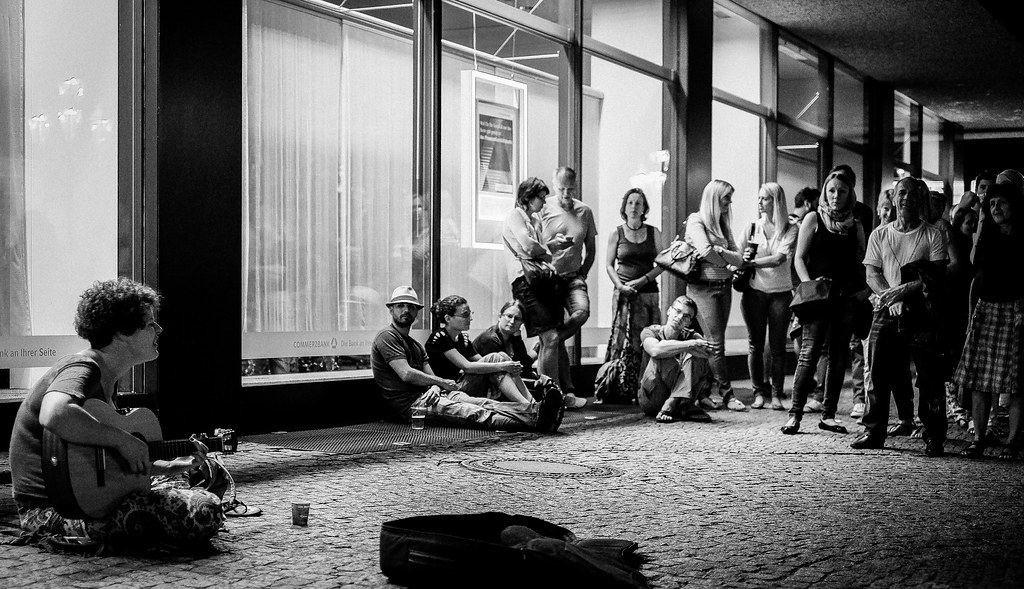
The Return of Narrative Structures
In recent years, compelling narratives have become central to engaging audiences. Filmmakers and writers have revisited classic narrative structures, such as the hero’s journey and the three-act structure, pairing them with contemporary themes for a fresh twist. This blending of old and new not only captivates viewers but also makes storytelling more accessible.
Familiar Archetypes in New Contexts
One of the key reasons for this resurgence is the use of familiar archetypes that resonate with diverse audiences. By placing classic heroes, mentors, and villains in modern settings or challenging environments, storytellers can explore timeless themes such as love, sacrifice, and redemption.
- The protagonist faces obstacles that reflect today’s societal issues.
- The mentor offers wisdom rooted in traditional lore, making the journey relatable.
- Villains are often complex characters with relatable motivations.
Impact on Film and TV
The film and television industries have embraced the return to storytelling fundamentals. Audiences crave stories that not only entertain but also evoke emotions and provoke thought.
Films that Resonate
Movies released in 2026, such as “Finding Home” and “A Tale as Old as Time”, exemplify this trend. These films feature strong character arcs and engaging plots reminiscent of classic storytelling while incorporating modern social themes.
Television’s New Wave of Serialized Storytelling
On the small screen, serialized dramas have seen a resurgence. Shows like “Elders of the Earth” and “The Chronicles of Tomorrow” focus on character-driven narratives that span multiple seasons, allowing for deep emotional connections with viewers. Also read: ajo89 for more insights.
Theater: A Return to Roots
The theater scene, too, is rediscovering the power of storytelling. Traditional forms such as oral storytelling, folklore adaptations, and classic plays are experiencing a renaissance.
Community Engagement Through Live Performances
Theater companies are increasingly engaging communities by blending classic storytelling with local stories. This not only honors traditional narratives but also fosters a sense of belonging among audience members.
- Adaptations of local lore into theatrical productions.
- Interactive performances where audience participation enhances storytelling.
- Workshops that teach traditional storytelling techniques.
The Role of Technology in Storytelling
As traditional storytelling methods resurge, technology plays a vital role in their dissemination. Streaming platforms, augmented reality (AR), and social media have allowed these age-old narratives to reach broader audiences than ever before.
Augmented Experiences
AR storytelling experiences provide immersive ways to engage with narratives. For instance, users can interact with characters and settings through their devices, enhancing their connection to the story.
Social Media as a Storytelling Tool
Platforms such as TikTok and Instagram have become powerful storytelling mediums. Creators utilize short videos to share personal stories or reinterpret classic tales, breathing new life into familiar narratives.
Conclusion: A Bright Future for Storytelling
The resurgence of traditional storytelling in 2026 showcases the timeless nature of these narratives. As filmmakers, writers, and theater practitioners embrace these age-old techniques, they create a rich tapestry that connects generations, cultures, and ideas. The blend of familiar structures with modern themes, alongside the facilitation of technology, promises a bright future for storytelling in the entertainment industry.