
Understanding the Intersection of Global Events and Entertainment
As we navigate through 2026, it’s evident that global events are profoundly shaping the entertainment landscape. From the ongoing recovery from the pandemic to the effects of climate change and sociopolitical movements, these factors are influencing not only what we consume but how we consume entertainment.
Resilience and Adaptation: How the Industry is Evolving
In the aftermath of the pandemic, the entertainment industry has had to pivot rapidly. Productions slowed down dramatically, but innovation began to flourish. Companies adopted remote working technologies, leading to a rise in digital-first content. Here are some notable ways the industry has adapted:
- Remote Collaborations: Filmmakers and artists are increasingly using cloud-based tools for collaboration, allowing for greater flexibility and creativity.
- New Formats: Shorter films and series, focusing on bite-sized content, have become popular as audiences prefer quick and engaging stories.
- Hybrid Events: Film festivals and awards shows are blending virtual and in-person formats, expanding reach while maintaining exclusivity.
Rising Social Issues and the Role of Entertainment
The entertainment sector is responding to significant global issues like climate change, social justice, and health notifications. In 2026, we see a stronger integration of these themes across various media:
- Environmental Narratives: More films and shows are centering on environmental themes, educating audiences on climate action through compelling storytelling.
- Representation Matters: There is a growing emphasis on diversity in casting and storytelling, reflecting a more inclusive society.
- Health Awareness: Content creators are addressing mental health issues, providing narratives that promote understanding and compassion.
The Evolution of Audience Engagement
With the rise of social media platforms and streaming services, audience engagement has transformed dramatically. Viewers in 2026 are not just passive consumers; they are active participants in the entertainment experience.
Fan-Driven Content and Community Building
Audiences now expect to engage with their favorite shows and films beyond just watching. Here’s how this trend is manifesting:
- Interactive Fan Platforms: Websites and apps dedicated to fan theories, forums, and discussions have gained popularity, allowing fans to connect and share their opinions.
- User-Generated Content: Platforms like Instagram and TikTok are flooded with fan-made content, from creative edits to parodies that enrich the original material.
- Crowdsourced Projects: Some filmmakers are considering fan input for screenplay ideas, showcasing a new collaborative approach to storytelling.
Global Streaming Trends
As different parts of the world recover from various crises, streaming platforms are focusing on local content tailored to diverse audiences:
- Regional Content: Major platforms are investing heavily in local productions, enriching the global catalog and appealing to a wider audience.
- Subtitling and Dubbing Innovations: Enhanced technology in subtitle and dubbing services is making it easier for audiences to access content in various languages.
- Localized Marketing: Targeted advertisements that resonate with regional audiences are becoming increasingly common, ensuring content reaches the right demographics.
The Future of Live Entertainment
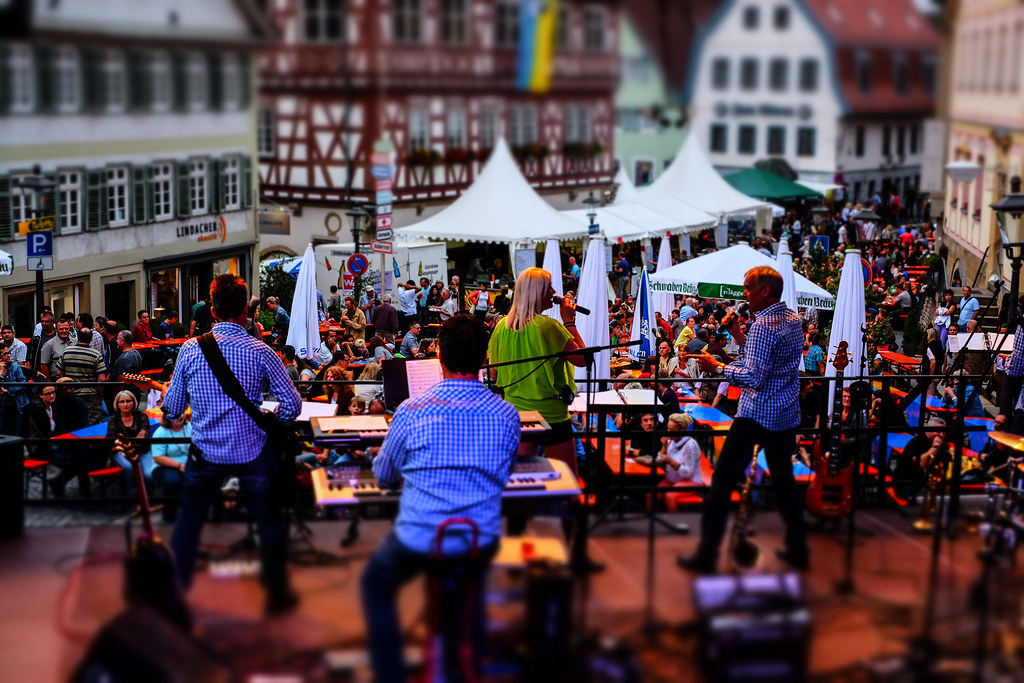
Live entertainment is making a comeback in 2026, but with a twist. The evolution of technology and audience preferences is redefining how live events are conducted.
Integration of Technology in Live Events
As we move further into the digital age, technology is becoming integral to live entertainment:
- Augmented Reality Experiences: Concerts and theater performances are integrating AR to provide immersive experiences that enhance audience engagement.
- Live Streaming: Many live events offer streaming options, allowing fans who cannot attend in person to participate from anywhere in the world.
- Dynamic Ticketing: Real-time ticket pricing based on demand is becoming more common, ensuring better accessibility for fans.
Sustainability in Live Events
As awareness of environmental issues grows, the live entertainment sector is also committed to sustainability:
- Green Venues: Many venues are adopting sustainable practices, such as reducing waste and using renewable energy sources.
- Transportation Initiatives: Some events are promoting public transportation options for attendees, encouraging eco-friendly travel methods.
- Community Engagement: Events are pairing with local businesses to create a more sustainable local economy, helping to give back to the community.
Conclusion: The Future is Collaborative and Inclusive
As we dive deeper into 2026, it’s clear that the intersection of global events and entertainment is a dynamic space in constant flux. Resilience, innovation, and community engagement are the cornerstones of how entertainment will continue to evolve. By embracing these changes, the industry is not only surviving but thriving, shaping a future filled with diverse narratives and engaging experiences.