
Introduction
As we navigate through 2026, the entertainment landscape is experiencing a significant transformation driven by globalization and cultural exchange. This new era challenges traditional boundaries and fosters a more inclusive understanding of entertainment that reflects diverse perspectives. In this article, we will explore how global cultures are reshaping entertainment through collaborations, cross-cultural narratives, and the integration of diverse art forms.
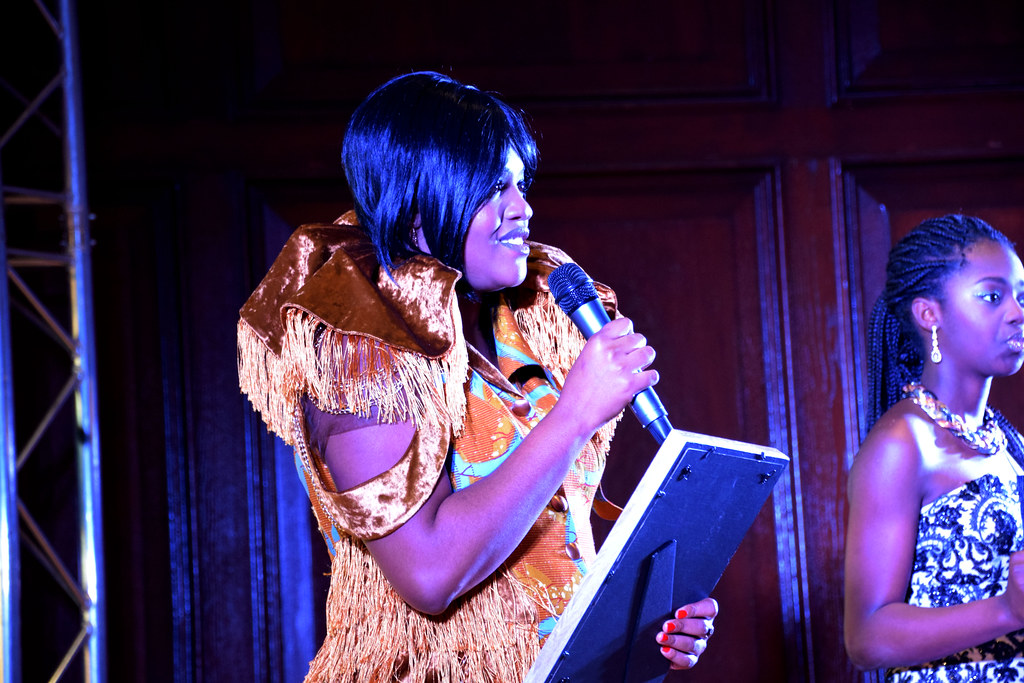
The Rise of Cross-Cultural Collaborations
In recent years, collaborations between artists and creators from different cultural backgrounds have surged in popularity. This trend is forging innovative pathways in music, film, and television, resulting in unique offerings that resonate with a broader audience.
Music: A Fusion of Genres
Within the music industry, artists are increasingly blending genres from various cultural traditions, creating fresh sounds that appeal to an eclectic mix of listeners. For example:
- Brazilian Funk Meets K-Pop: K-Pop idols are collaborating with Brazilian funk artists, introducing infectious rhythms to their music videos.
- Afrobeats in Mainstream Pop: The global rise of Afrobeats is leading Western pop stars to incorporate its vibrant beats into their songs, drawing attention to African cultures.
Film and Television: Diverse Storytelling
In film and television, the blending of cultural narratives has led to compelling stories that go beyond stereotypes. Major streaming platforms are investing heavily in international content, allowing diverse storytelling to flourish. For instance:
- International Remakes: Popular shows are being remade for various markets, highlighting localized humor and cultural references.
- Diverse Casting: Films featuring a multicultural cast are becoming the norm, ensuring authentic representation on-screen.
Global Festivals Celebrating Cultural Exchange
Global festivals have become vital platforms for showcasing international talent and promoting cultural exchange. These events unite people from different backgrounds, allowing for authentic experiences and connections.
Film Festivals
Film festivals like the Cannes and Sundance have expanded their focus, welcoming a wider array of international films. This year, the spotlight is on:
- Emerging Filmmakers: Festivals are prioritizing diverse voices, encouraging films from underrepresented regions.
- Virtual Attendance: Innovations in virtual attendance have made these festivals accessible to global audiences, further bridging cultural divides.
Music Festivals
Music festivals are also embracing global influences. Events such as Coachella have included international artists, creating a rich tapestry of sounds and styles. Key highlights include:
- Global Stage: Dedicated stages for international acts, showcasing talents from various music traditions.
- Workshops and Panels: Interactive sessions where artists share their cultural stories and musical techniques.
The Importance of Diverse Narratives in Video Games
The gaming industry is increasingly recognizing the need for diverse narratives that reflect a range of cultural experiences. This shift has led to more inclusive storytelling in video games, enriching player experiences.
Character Representation
Modern video games are prioritizing character diversity, allowing players to see themselves represented in the narratives. Examples include:
- Female Protagonists: Games are featuring strong female leads from various cultural backgrounds, challenging traditional gender roles.
- Cultural Folklore: Incorporating local myths and legends into gameplay, providing players with new cultural insights.
Community Engagement
Developers are actively engaging with global gaming communities to ensure that content is culturally relevant and respectful. This engagement leads to:
- Beta Testing with Diverse Players: Gathering feedback from players across different cultures to refine narratives.
- Cultural Advisors: Hiring consultants who specialize in specific cultures to guide character development and storytelling.
Conclusion
The entertainment landscape in 2026 is a vibrant tapestry woven from the threads of global cultures. As artists, creators, and audiences embrace this inclusivity, we can anticipate a richer, more diverse world of entertainment that celebrates our shared humanity while honoring the nuances of individual cultures. This shift not only enhances our entertainment experiences but also strengthens our connections to one another in an increasingly interconnected world.