
Introduction
The entertainment landscape in 2026 is heavily shaped by the influence of social media, redefining how content is created, shared, and consumed. Social media platforms have evolved into not just channels for promotion but also ecosystems where entertainment thrives. Let’s dive into how these platforms are transforming the entertainment industry.
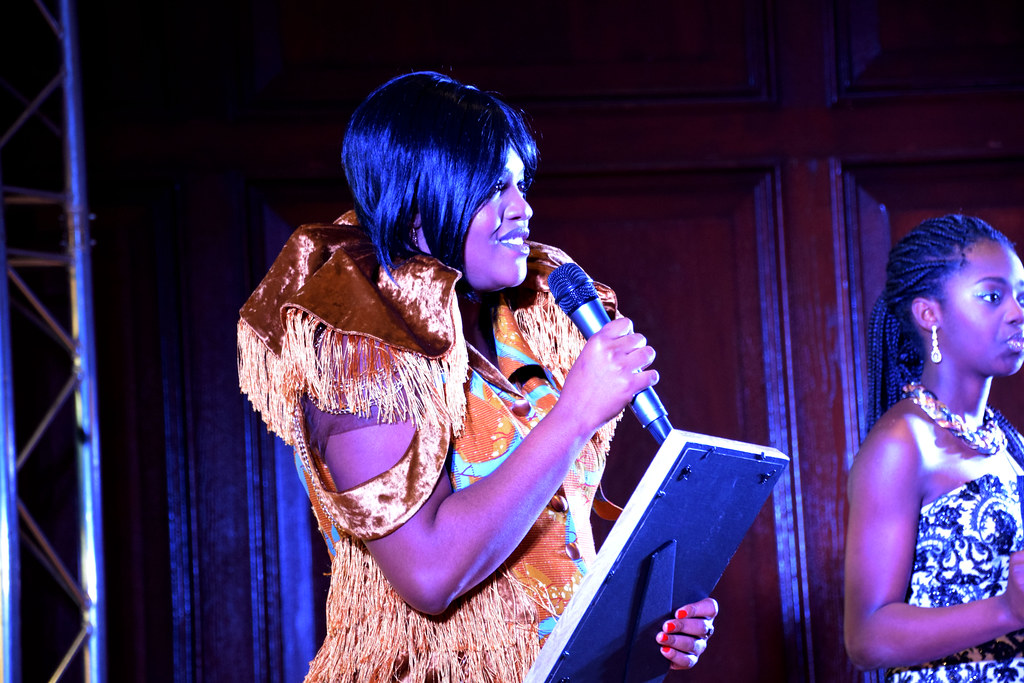
Social Media’s Role in Shaping Entertainment
In the past few years, social media has grown from a secondary channel for sharing entertainment news to a primary source for discovering new content. Platforms like TikTok, Instagram, and Twitter are not just sharing news of upcoming films or series but are paving the way for new genres, formats, and even viral trends.
The Viral Impact
- Instant Fame: A song can go viral overnight, thanks to TikTok challenges, pushing artists into the spotlight with unprecedented speed.
- Fan Engagement: Celebrities and content creators often share behind-the-scenes snippets, fostering a deeper connection with their audience.
- Content Feedback: Creators use social media to gauge audience reactions in real-time, allowing for quick adjustments in content delivery.
Innovative Content Formats Emerging from Social Media
As a result of social media’s influence, several innovative content formats have emerged that are transforming traditional entertainment.
Short-Form Video Content
Short-form videos have exploded in popularity, with platforms like TikTok leading the charge. This format encourages creativity and spontaneity, allowing artists to communicate their message in engaging snippets.
Live Streaming Events
Live streaming is no longer limited to gamers. Concerts, comedy shows, and even theatrical performances are now being streamed live, offering viewers a chance to participate in real-time.
Interactive Storytelling
Social media platforms are increasingly facilitating interactive storytelling experiences where audiences can make choices that influence the narrative, blending gaming elements with traditional storytelling.
The Rise of Influencer-Driven Content
Influencers play a pivotal role in shaping entertainment trends. Their ability to connect authentically with audiences has changed how brands and creators approach marketing and content creation.
Authenticity Over Perfection
- Relatable Content: Influencers often share real-life experiences, making them more relatable than traditional celebrities.
- Brand Collaborations: Collaborations between brands and influencers are becoming more prevalent, driving engagement through authentic partnerships.
- Community Building: Influencers foster communities where fans can engage with one another, creating a sense of belonging.
Challenges and Opportunities in the Social Media Era
While social media has provided numerous opportunities for growth and engagement, it also poses challenges for the entertainment industry.
Challenges
- Saturation: With so many creators vying for attention, it can be challenging to stand out.
- Content Authenticity: As influencers become brand ambassadors, maintaining authenticity can be difficult.
- Short Attention Spans: The rapid consumption of content can lead to viewers having shorter attention spans, making it harder to hold their interest.
Opportunities
- Innovative Collaborations: Creators can team up in new ways to create fresh content that resonates with audiences.
- Niche Audiences: Social media allows for targeting specific niche audiences, opening doors for unique content.
- Feedback Loops: Real-time feedback helps creators quickly pivot and cater to audience preferences.
The Future of Entertainment in the Digital Age
As we look ahead, the intertwining of entertainment and social media will only deepen. The trends we see today will likely evolve into new formats and styles, perpetuating an ongoing cycle of innovation and engagement.
Key Takeaways
- Social media is a driving force in shaping the entertainment landscape.
- Influencer-driven content is here to stay, focusing on authenticity and community.
- The future will likely bring forth new content formats, driven by technological advancements and audience feedback.
Conclusion
In 2026, the way we consume and engage with entertainment has transformed profoundly. As social media continues to evolve, so too will the industry’s approach to storytelling and engagement, making this an exciting time for both creators and audiences alike.